Products
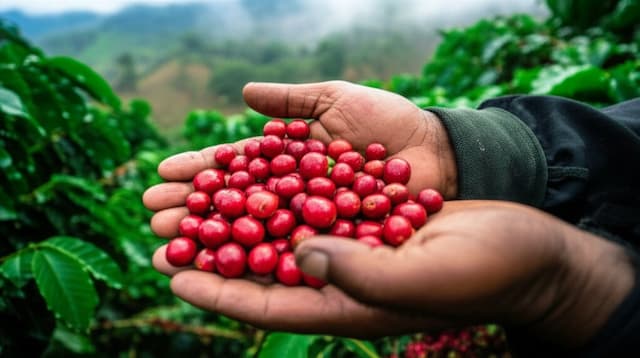
Columbia Huila Pitalito El Tiple Excelso, Washed
Huila Pitalito El Tiple Excelso, Washed is a Colombian coffee with a classic profile known for balanced flavor, medium body, and medium acidity. It is sourced from smallholder farmers in the Pitalito region of Huila.
Flavor Profile
- Notes: Milk chocolate, roasted almond, citrus (mandarin orange), and caramel. Some variations may also have notes of brown sugar, stone fruit, and cherry.
- Body: Medium to full.
- Acidity: Medium.
- Process: Washed.
Origin Details
- Region: Pitalito, Huila, Colombia.
- Producers: Various smallholder farmers, sometimes organized through cooperatives like CADEFIHUILA.
- Varietals: Common varieties include Castillo, Caturra, and Colombia.
- Altitude: Grown at high elevations, typically between 1,500 and 1,800 meters above sea level.
- Name: "El Tiple" is a name used by green coffee suppliers, like Genuine Origin, to offer accessible Colombian coffee to roasters, named after a traditional Colombian string instrument.
More Information:
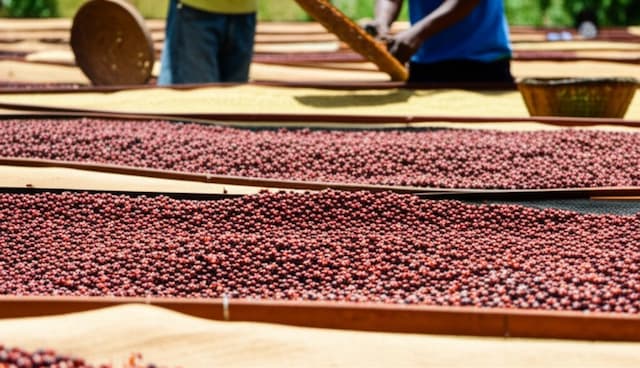
Ethiopia Organic Washed Sidamo G2 Nura Korate Fair Trade
A vibrant, elegant washed Sidamo from one of Ethiopia's most celebrated southern highlands — crisp, floral, and full of refined brightness
Origin Details
- Origin: Sidamo (Sidama) region, Southern Nations, Nationalities, and Peoples' Region (SNNPR), Ethiopia — a lush, high-altitude zone renowned for producing some of East Africa's most complex and distinctive coffees.
- Producer: Sourced through fair trade cooperative networks in the Nura Korate area, supporting smallholder farmers committed to sustainable agricultural practices and community development.
- Varietals: Heirloom Ethiopian varietals, prized for their distinctive floral aromatics and complex flavor complexity.
- Altitude: Grown at 1,800–2,000 meters above sea level, where high elevation and cool temperatures slow cherry development and concentrate delicate, nuanced flavors.
Grade & Quality
- G2 (Grade 2): A premium classification for Ethiopian coffee, indicating excellent cup quality with minimal defects — the hallmark of specialty-grade Sidamo production.
- Organic Certified: Cultivated without synthetic pesticides or fertilizers, preserving soil health and the coffee's pure, natural expression.
- Fair Trade Certified: Supporting equitable prices for farming families and investment in their communities.
Processing: Washed
This coffee undergoes the fully washed process: cherries are depulped, fermented to remove the mucilage, then thoroughly washed and dried on raised beds. This method produces a clean, bright, tea-like cup that showcases the coffee's floral aromatics and the distinct terroir of the Sidamo highlands.
Flavor Profile
- Notes: Jasmine, blueberry, mandarin orange, and hints of honey and bergamot.
- Body: Light to medium, with a silky, delicate mouthfeel.
- Acidity: Crisp and vibrant, with a beautiful citrus brightness.
- Finish: Clean and lingering, with a subtle floral sweetness.
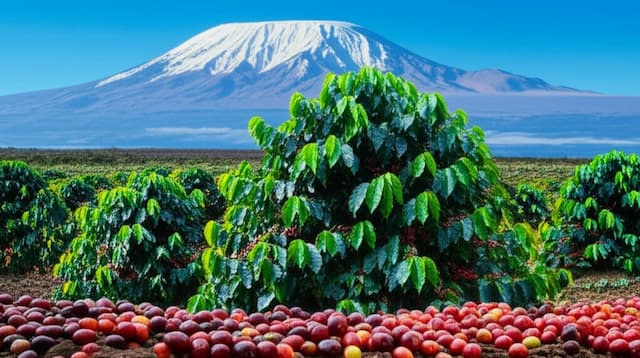
Tanzania Peaberry Plus Washed
Key Characteristics
- Origin: Grown in the Southern Highlands and the slopes of Mt. Kilimanjaro and Mt. Meru in Tanzania.
- Bean Type (Peaberry): Peaberries are a natural mutation where only one, round seed develops inside the coffee cherry instead of the usual two flat-sided beans. This round shape allows for a more even and consistent roast, which many believe contributes to a more focused and intense flavor.
- Processing (Washed): The "washed" (or wet) process involves removing the fruit pulp from the bean before drying. This method highlights the coffee's origin characteristics, resulting in a cleaner, brighter, and more acidic cup compared to other processing methods.
- Grade ("Plus"): The "Plus" designation is used to indicate a premium selection, often hand-selected and meticulously sorted for quality and uniformity.
- Acidity: Typically bright and vibrant.
- Body: Generally light to medium body with a smooth, sometimes buttery, mouthfeel.
- Flavor Profile: Common tasting notes include:
- Fruity/Citrus: Red currant, citrus, apricot, or black cherry.
- Sweet/Nutty: Milk chocolate, pecan, brown sugar, or caramel.
- Floral: Hints of chamomile or jasmine.

NEW - Guatemala SHB Antigua Los Volcanes
A classic volcanic-highland coffee from one of Guatemala's most celebrated growing regions — full-bodied, spicy, and rich with chocolate depth.
Origin Details
- Origin: Antigua Valley, Guatemala — a UNESCO-recognized region surrounded by three volcanoes (Agua, Fuego, and Acatenango), whose mineral-rich volcanic soil is prized among the world's specialty coffee origins.
- Producer: Sourced from smallholder farms across the Los Volcanes growing area, where cool highland temperatures and rich soil combine to slow cherry maturation and deepen flavor development.
- Varietals: Typically Bourbon, Caturra, and Catuai — traditional Arabica cultivars well suited to high-altitude cultivation.
- Altitude: Grown at 1,500–1,700 meters above sea level, contributing to a dense bean structure and concentrated flavor.
Grade & Quality
- SHB (Strictly Hard Bean): The highest classification for Guatemalan coffee, requiring cultivation above 1,350 meters. The slower ripening at these elevations produces a harder, denser bean prized for its complexity and clean cup quality.
Processing: Washed
This coffee undergoes the traditional washed process: cherries are depulped, fermented to remove the mucilage, then thoroughly washed and dried. This method produces a clean, bright cup that lets the coffee's true origin character and volcanic terroir shine through.
Flavor Profile
- Notes: Black currant, toffee and a touch of toasted almond.
- Body: Full and rich, with a silky, velvety mouthfeel.
- Acidity: Bright, wine-like acidity balanced by a smooth, syrupy finish.
- Finish: Long and warming, with lingering notes of cocoa and spice.
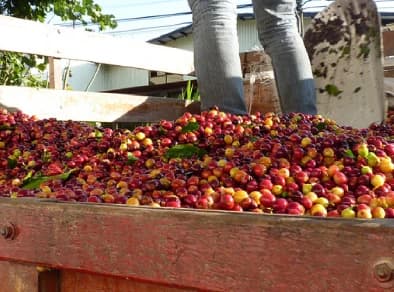
Costa Rica Tarrazu San Diego Jaguar Honey SHB EP
A exceptional honey-processed single-origin from one of Costa Rica's most storied mills — rich, sweet, and beautifully complex.
Origin Details
- Origin: Tarrazú, Costa Rica — one of the country's most prestigious coffee-growing regions, celebrated for its high-altitude farms and ideal climate.
- Producer: Beneficio San Diego, established in 1888 and considered the most modern mill in Costa Rica. The mill works closely with various smallholder farmers across the Tarrazú and Tres Ríos regions, championing sustainable production and strong community relations.
- Varietals: Caturra and Catuai — two classic, well-regarded Arabica cultivars known for clean, consistent cup quality.
- Altitude: Grown at 1,200–1,750 meters above sea level, where slower cherry development concentrates sweetness and complexity.
Grade & Quality
- SHB (Strictly Hard Bean): Coffee must be grown at 1,200 meters above sea level or higher to earn the SHB designation. The higher altitude and lower temperatures mean the coffee fruit matures more slowly, producing a denser, harder bean — a hallmark of quality in Costa Rican coffee.
- EP (European Preparation): EP, which stands for European Preparation, means the coffee is screen-size 15 and above, with a maximum of 8 defects within 300 grams. Hand sorting is used to remove any defective beans, ensuring only the cleanest, most uniform green coffee makes it into the bag.
Processing: Honey
The honey process originated in Costa Rica and has since spread throughout Central America. After depulping, the mucilage — the sticky, sugar-rich layer of the coffee cherry — is intentionally left on the parchment during drying. This imparts a natural sweetness and a fuller body reminiscent of naturally processed coffees. Cherries are carefully selected at peak ripeness, then dried slowly and evenly on raised African beds or patios. No two honey coffees are alike; the craft and precision behind each lot makes this processing method a true art form.
Flavor Profile
- Notes: Chocolate, Nectarine, Guava, Berry, Honey, Citrus
- Body: Medium to full, with a velvety mouthfeel.
- Acidity: Gentle and balanced.
- Finish: Sweet and clean, with a smooth, fruit-forward aftertaste.