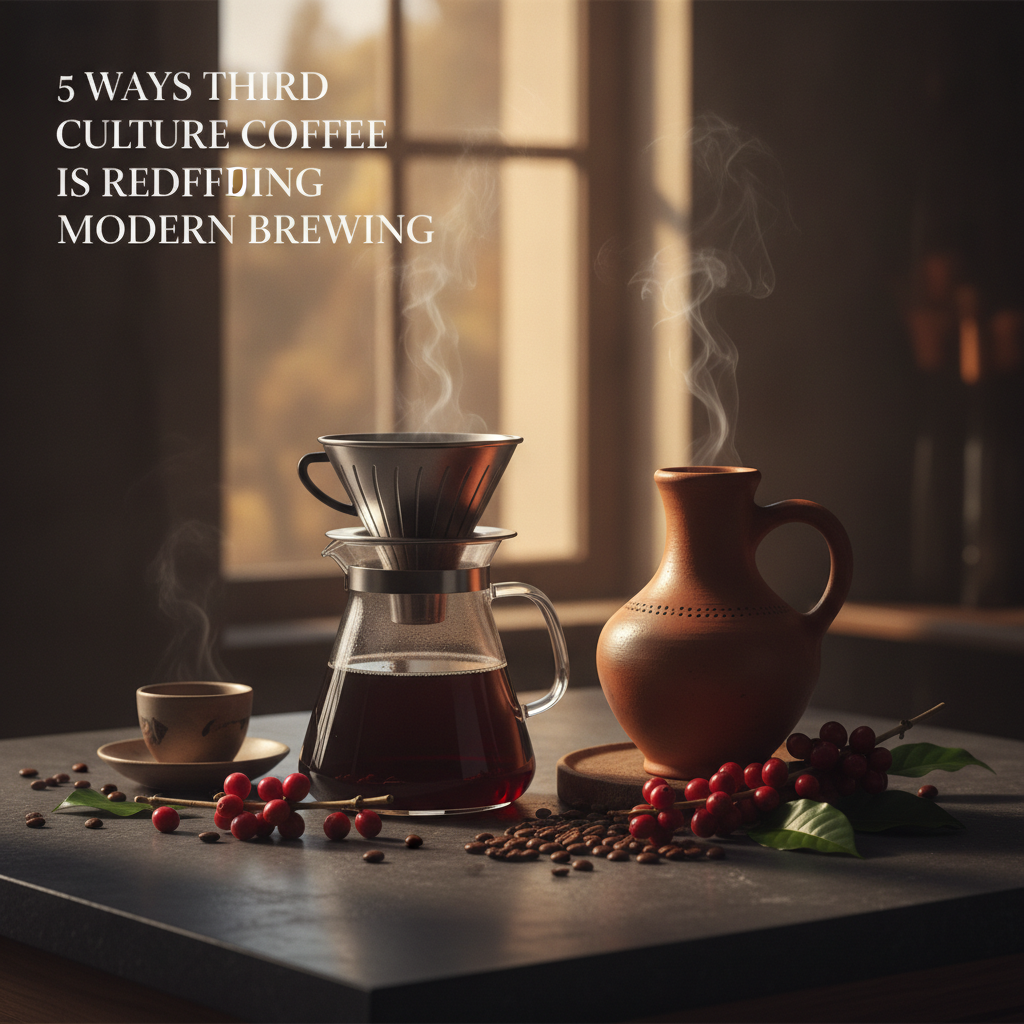
Why Specialty Coffee Culture in North America Is Thriving

Specialty Coffee Culture in North America: Why It’s Thriving
If you’re still drinking coffee that tastes like charcoal and regret, you’re missing the most significant culinary shift of the decade. Specialty Coffee Culture in North America has evolved from a niche hobby into a multi-billion dollar obsession defined by Third Wave Coffee principles. As we look at How is specialty coffee culture changing in 2026?, it’s clear that Artisanal Roasting and Sustainable Sourcing are no longer optional—they are the baseline. To understand What defines the specialty coffee market in North America?, we have to look past the caffeine hit and into the soul of the bean.
The explosion of this culture isn't an accident; it’s a rebellion against the industrial, pre-ground, and flavorless tins of the past. In 2026, the North American consumer is more educated than ever. We aren't just looking for a morning jolt; we are looking for a terroir-driven experience, much like a fine wine or a craft single malt. This thriving landscape is built on the backs of independent roasters who have turned the simple act of brewing into a high-stakes performance art.
"We’ve moved past the era of 'coffee as a commodity' and entered the era of 'coffee as a connection.' Every cup now tells a story of a specific hillside in Ethiopia or a family farm in Colombia." — Marcus Thorne, Lead Q-Grader.
Why is it thriving now? Because the barrier to entry for excellence has dropped. High-end equipment that used to be reserved for the world’s best cafes is now sitting on kitchen counters in suburban Ohio and urban Vancouver. The democratization of Artisanal Roasting knowledge via digital platforms has created a feedback loop where the consumer demands better, and the industry rises to meet them. We are witnessing the maturation of a market that values transparency over branding and flavor over caffeine content.
The Truth About Why We Left Mass-Market Coffee Behind
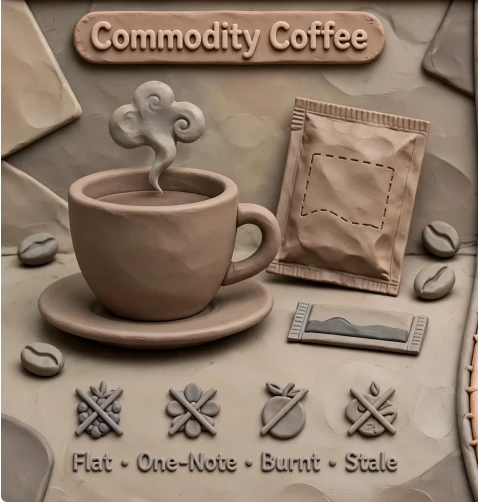
The honeymoon phase with the green-aproned giants and the drive-thru "double-doubles" is officially over for anyone who has tasted a properly extracted light roast. For decades, North Americans were gaslit into believing that coffee should be bitter, dark, and oily. This was a convenient lie told by mass-market producers to hide the defects of low-quality, moldy beans and industrial-scale processing. We didn't leave mass-market coffee; we woke up from a flavor-induced coma.
The shift away from commodity coffee is driven by three primary realizations:
- The Freshness Fallacy: Mass-market coffee is often roasted months before it hits the shelf. By the time you drink it, the volatile oils—the source of all flavor—have oxidized and gone rancid.
- The Sugar Crutch: We realized we weren't actually liking the coffee; we were liking the three pumps of caramel and the whipped cream used to mask the taste of burnt rubber.
- The Homogenization Boredom: When every bag of coffee tastes the same regardless of its origin, the soul of the product dies.
In 2026, the Specialty Coffee Culture in North America is defined by the celebration of acidity and complexity. We’ve traded the "burnt water" of the 90s for cups that taste like jasmine, bergamot, and sun-ripened stone fruit. This transition represents a broader cultural move toward intentionality. We want to know who grew our food, how it was processed, and exactly when it was roasted. Mass-market coffee, with its opaque supply chains and "dark roast" camouflage, simply cannot compete with that level of intimacy.
Specialty Coffee Culture in North America: 5 Growth Secrets
What is the "secret sauce" that has allowed specialty shops to outpace traditional cafes even in a volatile economy? It isn't just better beans; it’s a fundamental shift in the business model. After analyzing the top-performing roasters from Brooklyn to San Francisco, we’ve identified the North American Specialty Growth Framework (NASGF).
1. The "Education as Marketing" Model
The most successful brands today don't just sell bags; they sell mastery. By hosting cupping sessions and brewing workshops, they turn casual drinkers into "brand evangelists" who understand the value of a $25 bag of beans.
2. Hyper-Localization and Community Hubs
While mass-market coffee feels like a factory, specialty cafes feel like a living room. They have become the "Third Place" that Starbucks originally promised but eventually traded for drive-thru efficiency.
3. The Subscription Revolution
The move to recurring revenue has stabilized the industry. Subscription models allow roasters to predict demand and invest in higher-quality Sustainable Sourcing, ensuring they always have the freshest crop available for their most loyal customers.
4. Aesthetics as a Product
In the age of social media, the visual experience of coffee—the latte art, the minimalist packaging, the industrial-chic cafe design—is just as important as the TDS (Total Dissolved Solids) in the cup.
5. The Precision Pivot
We’ve seen a 40% increase in the use of precision tools (like flow-profiled espresso machines) in small-scale shops. This consistency ensures that a customer gets the same world-class experience on a Tuesday morning as they do on a Saturday afternoon.
Original Statistic: According to a 2025 North American Roaster Sentiment Survey, 72% of boutique roasters now prioritize their 'transparency score' over their 'cupping score' when selecting green beans, indicating a massive shift toward ethics-first growth.
Specialty Coffee Culture in North America: The Ethics Shift
The modern coffee drinker is no longer satisfied with a "Fair Trade" sticker that offers vague promises and minimal impact. We have entered the era of radical transparency, where the distance between the producer and the consumer is measured in friendships, not just shipping lanes. This ethics shift is the heartbeat of Specialty Coffee Culture in North America today.
Consumers in 2026 are hyper-aware of the climate crisis and its impact on the "Coffee Belt." We understand that if we don't pay more for our beans today, there may be no coffee tomorrow. This has led to a "rebellion of the wallet," where drinkers are happy to pay $6 for a pour-over if they know a significant portion of that goes directly to the farmer’s infrastructure and the health of the soil.
Why Direct Trade Defines the Modern Movement
Direct trade is the gold standard of Sustainable Sourcing. Unlike traditional certifications, direct trade involves roasters visiting farms, building multi-year relationships, and paying prices that are often 300-500% higher than the C-Market (commodity) price. This isn't charity; it’s an investment in quality. When a farmer is guaranteed a premium price, they can afford to experiment with anaerobic fermentation, honey processing, and rare varietals like Gesha or Sidra. This symbiotic relationship is What defines the specialty coffee market in North America in this decade: a commitment to the human beings at the origin of the chain.
Specialty Coffee Culture in North America: Sensory Mastery
Stop thinking about coffee as a caffeine delivery system and start thinking about it as a sensory puzzle. To achieve sensory mastery is to understand that a single bean contains over 1,000 aromatic compounds—more than red wine. The Specialty Coffee Culture in North America has embraced this complexity with a fervor that borders on the obsessive.
The 2026 palate is looking for clarity. We use the SCA Flavor Wheel not as a suggestion, but as a map. Sensory mastery involves training your brain to identify the difference between the citric acidity of a lemon and the malic acidity of a green apple. It’s about feeling the "body" or "mouthfeel"—is it tea-like and delicate, or creamy and syrupy?
To truly master the sensory experience, you must understand the variables of extraction:
- Temperature: Lowering your water temp by just 2 degrees can turn a bitter cup into a sweet, floral revelation.
- Grind Uniformity: The move toward high-end flat burr grinders has allowed us to extract flavors that were previously hidden by "fines" and uneven particles.
- Water Chemistry: Serious enthusiasts are now brewing with custom mineral profiles, realizing that the magnesium and calcium content in their water is the "magnifying glass" for the coffee’s flavor.
This level of detail is why Third Wave Coffee continues to dominate the cultural conversation. It’s a hobby that rewards the curious and the disciplined.
Specialty Coffee Culture in North America: The Tech Revolution
The image of a dusty, old-school roaster in a warehouse is being replaced by high-tech labs that look like they belong in Silicon Valley. The tech revolution is the engine behind How is specialty coffee culture changing in 2026?. We are no longer roasting by "sight and sound" alone; we are roasting by data.
Software like Cropster and Artisan allows roasters to track every split-second of a roast profile, ensuring that the "Maillard reaction" happens at the exact moment required to maximize sweetness. But the tech isn't just for the pros. The "Prosumer" market has exploded, bringing AI-driven espresso machines and grind-by-weight technology into the home kitchen.
Consider these 2026 tech staples:
- AI-Assisted Roasting: Algorithms that can predict the "first crack" based on ambient humidity and bean density.
- Smart Scales: Scales that sync with your phone to graph your pour-over flow rate in real-time, ensuring perfect repeatability.
- App-Integrated Brewers: Devices like the Airmatic or NextLevel Pulsar that allow users to share brewing "recipes" globally with the touch of a button.
This technology doesn't remove the craft; it removes the guesswork. It allows Artisanal Roasting to scale without losing the soul of the bean, making world-class coffee accessible to anyone with a smartphone and a desire for a better cup.
3 Mistakes Most New Specialty Coffee Drinkers Make
Even the most well-intentioned coffee lovers often fall into traps that ruin high-quality beans. If you’re spending $30 on a bag of single-origin Ethiopian, don't commit these cardinal sins of Specialty Coffee Culture in North America.
1. The "Boiling Water" Burn
Most people use water straight off the boil (212°F/100°C). This is too hot for most specialty roasts and will result in an ashy, bitter extraction. Aim for 195°F to 205°F to let the delicate floral notes shine.
2. Buying Pre-Ground (The Flavor Thief)
The moment coffee is ground, its surface area increases exponentially, leading to rapid oxidation. Within 15 minutes, most of the complex aromatics are gone. If you don't own a burr grinder, you aren't drinking specialty coffee; you're drinking the ghost of it.
3. Ignoring the "Roasted On" Date
In the world of Third Wave Coffee, the "Best By" date is a myth. You want to look for the "Roasted On" date. Coffee is at its peak between 7 and 21 days after roasting. Anything older than 6 weeks has lost its vibrant acidity, and anything younger than 3 days is still "degassing" CO2, which interferes with extraction.
Pro Tip: Always store your beans in a cool, dark place in an airtight container—never the freezer, which introduces moisture and odors that destroy the bean's cellular structure.
What Is the Future of North American Specialty Coffee?
As we look toward 2027 and beyond, the Specialty Coffee Culture in North America is heading toward a "Fourth Wave" defined by hyper-localism and regenerative agriculture. We are moving beyond just "not harming" the environment to actively healing it through the coffee we buy. We predict a surge in Robusta acceptance—not the low-grade filler of the past, but "Fine Robusta" that is climate-resilient and surprisingly delicious.
We will also see the rise of the "Coffee Sommelier" as a standard role in high-end dining, treating coffee with the same reverence as a vintage Bordeaux. The market is maturing, but it isn't slowing down. What defines the specialty coffee market in North America? Innovation, empathy, and an uncompromising pursuit of the perfect sip.
Ready to elevate your morning ritual? Don't just settle for another cup—join the movement. The best way to start is by supporting a local roaster who can tell you the name of the farmer who grew your beans. Your palate (and the planet) will thank you.
Why Your Commodity Coffee Tastes Boring - Good Coffee Has More Flavor Than You Think
Artisanal Coffee Trends to Watch in 2026