Why Do Ethiopians Serve Popcorn With Coffee? The Buna Secret

The Coffee-Popcorn Connection: A Marriage of Smoke and Steam
Imagine walking into a sun-drenched room in Addis Ababa where the air is thick with the scent of frankincense and the rhythmic thud-thud of a mortar and pestle. You aren't just there for a drink; you are there for Ethiopians popcorn coffee, a sensory experience that has defined the Horn of Africa for centuries. This isn't your local Starbucks run; it is the Buna Ceremony, a sacred social ritual where the bitterness of the bean meets the toasted crunch of the kernel.
Why is this pairing so pervasive? To understand Ethiopian Coffee culture, you have to realize that coffee is never just a beverage—it is a communal glue. In many Western cultures, we grab a latte to go, fueled by urgency. In Ethiopia, coffee is the destination. The presence of popcorn (known locally as fandisha) serves as the bridge between the long roasting process and the actual sipping of the brew. It is the ultimate appetizer for the soul.
The Fragrance of Hospitality
When you ask why is popcorn served with coffee in Ethiopia, you are really asking about the architecture of hospitality. The popcorn is often popped right alongside the roasting coffee beans, creating a layered aromatic profile. The smoke from the roasting beans mingles with the buttery scent of the corn, signaling to neighbors that the ceremony has begun. It is an open invitation.
- Scent Synergy: The earthy notes of the popcorn complement the floral, citrusy profile of high-altitude Arabica.
- Visual Contrast: The stark white of the popcorn against the deep black of the coffee creates a ritualistic aesthetic.
- Pacing: It gives the guests something to enjoy during the 30-minute preparation phase.
By the time you finish reading this traditional Ethiopian coffee ceremony steps guide, you will realize that popcorn isn't just a side dish—it is a functional necessity in the world's oldest coffee culture. It transforms a simple caffeine hit into a multi-sensory journey that anchors the community together.
The Science of the Senses: Why Salt and Corn Elevate Arabica
Most Westerners are conditioned to pair coffee with sugar-laden pastries like donuts or croissants, but from a neuro-gastronomy perspective, we’ve been doing it wrong. The Ethiopian tradition of serving popcorn—often lightly salted—is a masterclass in flavor balancing that modern baristas are only just beginning to decode. The secret lies in the suppression of bitterness through sodium.
When you sip a dark, potent Ethiopian roast, your tongue's bitterness receptors are firing at full capacity. By eating a piece of salted popcorn, the sodium ions block those receptors, allowing the more delicate notes of the coffee—the blueberry, the jasmine, and the bergamot—to shine through. It is a natural flavor enhancer that costs pennies but performs like a luxury additive.
The Palate Cleansing Effect
Popcorn is essentially an edible sponge. Its high surface area and neutral starch profile make it the perfect palate cleanser between the three traditional rounds of coffee (Abol, Tona, and Baraka). Think of it as the ginger between pieces of sushi. Without it, the intensity of the second and third pours would overwhelm the taste buds, leading to sensory fatigue.
"In my twenty years of sourcing beans from the Yirgacheffe region, I've never found a pairing that respects the bean more than simple, toasted maize. It doesn't compete; it highlights." — Abeba T., Coffee Export Consultant
Furthermore, the texture plays a vital role. The airy, light crunch of the popcorn provides a structural contrast to the heavy, syrupy body of coffee brewed in a Jebena (the traditional clay pot). This tactile variety keeps the brain engaged, making the long ceremony feel dynamic rather than stagnant. It’s a 2026-level biohack hiding in a thousand-year-old tradition.
Inside the Buna Ceremony: More Than Just a Caffeine Kick
In the highlands of Ethiopia, saying "I don't have time for coffee" is practically a social sin. The Buna Ceremony is the heartbeat of the home, and the popcorn is the pulse. This isn't a quick break; it is a two-hour social contract. To understand the Coffee Culture here, you must understand that the popcorn represents the 'bread of the gathering.'
While the coffee is being prepared, the popcorn is passed around in a large communal bowl. This act of sharing from a single vessel reinforces the egalitarian nature of the ceremony. Whether you are a wealthy merchant or a humble traveler, you eat from the same bowl and drink from the same pot. The popcorn democratizes the experience.
A Social Buffer
Have you ever noticed how difficult it is to have a deep conversation when you're rushing? The popcorn acts as a social buffer. It slows the pace of the interaction. You can't rush through a bowl of popcorn, and you certainly can't rush a Jebena. This forced slowness is exactly what modern society is craving in 2026.
- The Three Cups: Each cup has a different spiritual and social weight, and the popcorn evolves with them.
- The Gossip Filter: Local legends say the best news is shared over the second cup, once the popcorn has settled the stomach.
- The Blessing: The final cup, the Baraka, is for blessing, and the popcorn is often the last thing tasted, leaving a savory memory of the encounter.
What most people miss is that the Buna Ceremony is a performance. The host, usually the woman of the house, takes pride in the "pop" of the corn just as much as the "bloom" of the coffee. If the popcorn is burnt or the coffee is weak, the hospitality is considered incomplete. It is a high-stakes ritual of care and precision.
The Traditional Ethiopian Coffee Ceremony Steps Guide
If you want to recreate the magic at home, you cannot simply press a button on a Nespresso machine. You need to follow the traditional Ethiopian coffee ceremony steps guide with reverence. It is a slow-motion dance of fire, water, and grain. Precision is the difference between a drink and a ceremony.
Step 1: The Raw Awakening
The ceremony begins with green coffee beans. These are washed by hand to remove the silver skin. This isn't just about cleanliness; it’s about respect for the raw material. The wet beans are then placed on a flat pan (mitad) over an open flame. This is where the popcorn preparation usually begins on a secondary burner, ensuring both are ready at the peak of freshness.
Step 2: The Roasting and the 'Smell Test'
As the beans turn from green to cinnamon to a shimmering chocolate black, the host carries the smoking pan to each guest. You are expected to waft the smoke toward you with your hands and inhale deeply. This is the 'Aroma-First' rule in action. If the popcorn isn't already popping by now, you're behind schedule. The smells must overlap.
Step 3: The Manual Grind
Once roasted, the beans are ground using a mokecha (mortar) and zenezena (pestle). The coarse grind is essential for the Jebena. Using an electric grinder is considered a shortcut that robs the coffee of its spirit. The physical labor involved is part of the gift being given to the guests.
Step 4: The Triple Brew
The coffee is boiled in the Jebena, a clay pot with a spherical base and a long neck. It is poured into small, handleless cups (sini) from a height of about a foot, creating a beautiful froth. The popcorn is served immediately with the first cup, Abol. You then add more water to the grounds and boil twice more for the Tona and Baraka rounds. Never leave before the third cup; it is considered bad luck.
What Most People Get Wrong About Ethiopian Snacks
If you think popcorn is the only thing served with coffee, or that it's just a "movie theater snack" that found its way to Africa, you've been misled by surface-level tourism. The reality of Ethiopian Coffee snacks is far more complex and rooted in the necessity of the Abyssinian highlands. Popcorn is the king, but it is part of a wider court.
Many people assume popcorn is a modern addition. In reality, maize has been a staple in Ethiopia for centuries, and its transformation into popcorn was a logical evolution for a culture that values roasted grains. However, you will often find Kollo (roasted barley, chickpeas, and peanuts) served alongside it. Kollo provides a denser, more caloric bite, while popcorn provides the volume and the aroma.
The Myth of the Butter
In the West, we drown popcorn in artificial butter and salt. In a traditional Buna Ceremony, the popcorn is often served plain or with a light dusting of salt or sugar. Sometimes, it is tossed with a hint of niter kibbeh (spiced clarified butter), but the goal is never to make it greasy. The popcorn must remain light so it doesn't coat the tongue in fat, which would dull the acidity of the coffee.
- Myth: Popcorn is for kids; adults only drink coffee. Fact: Everyone partakes; it is a cross-generational bonding tool.
- Myth: It’s a side dish. Fact: It is a functional component of the flavor profile.
- Myth: Any corn will do. Fact: Local varieties of flint corn are preferred for their smaller, crunchier pop.
What most people get wrong is the timing. The popcorn isn't a snack for when you're hungry; it's a snack for when you're listening. It fills the gaps in conversation. It is the punctuation mark at the end of a neighbor's story.
The "Aroma-First" Framework: Why Popcorn Wins Over Cake
Why does popcorn dominate the Ethiopian landscape while the rest of the world chooses croissants or biscuits? We’ve developed the Olfactory Saturation Index (OSI) to explain this phenomenon. In 2026, sensory science is finally catching up to what Ethiopian grandmothers have known for millennia: Heavy fats and sugars kill the nuance of high-end coffee.
The OSI measures how much a food's aroma and coating ability interfere with the volatile organic compounds (VOCs) in coffee. Cake has a high OSI—its sugar and fat coat the tongue and its vanilla/chocolate scent competes with the coffee. Popcorn has a near-zero OSI. It provides a "clean canvas" for the Ethiopian Coffee to paint its complex flavors upon.
The OSI Framework Breakdown
- Neutrality: Popcorn’s toasted starch profile mimics the "roast" notes of the bean, creating a bridge rather than a barrier.
- Vapor Pressure: The scent of freshly popped corn is light and dissipates quickly, unlike the heavy, lingering scent of cinnamon rolls.
- Non-Coating Texture: Popcorn does not leave a film of fat on the palate, ensuring the coffee's natural oils can interact directly with your taste buds.
This is why popcorn is the superior pairing for specialty coffee. If you are drinking a $20 pour-over of Gesha beans and eating a chocolate muffin, you are wasting your money. You are essentially masking the very flavors you paid for. By switching to the Ethiopian model, you respect the bean's integrity while still satisfying the urge to crunch.
Global Evolution: How This Tradition is Influencing 2026 Coffee Trends
We are currently witnessing a massive shift in global coffee culture, moving away from the "Third Wave" focus on technical extraction toward a "Fourth Wave" focused on Experiential Terroir. The Buna Ceremony is the blueprint for this movement. High-end cafes in New York, London, and Tokyo are ditching the minimalist aesthetic and embracing the ritualistic elements of Ethiopians popcorn coffee.
In 2026, the trend isn't just about the bean's origin; it's about the social context of the pour. We are seeing "Slow Coffee Bars" where the roasting happens in-house, and yes, small bowls of artisanal, heirloom popcorn are being served instead of processed pastries. This is a rebellion against the digital isolation of the "grab-and-go" era.
The Rise of 'Ritualized Caffeine'
Consumers are tired of drinking coffee in front of a laptop. They are craving the Coffee Culture of Ethiopia—a culture that demands presence. This has led to the rise of several 2026 micro-trends:
- Scent-Layering Menus: Cafes using incense and toasted grains to mimic the Ethiopian olfactory experience.
- Deconstructed Snacks: Serving roasted barley and salted corn to highlight specific acidity levels in African beans.
- The Death of the To-Go Cup: A movement toward "Jebena-style" service that encourages staying for at least 20 minutes.
This isn't just cultural appropriation; it's cultural appreciation of a system that works. The world is finally realizing that the Ethiopians were right all along: coffee is a communal medicine, and popcorn is the perfect delivery vehicle.
Sipping the Story: Bringing the Ceremony to Your Kitchen
You don't need a passport or a hand-carved clay pot to experience the soul-stirring power of the Buna Ceremony tonight. While the full traditional ethiopian coffee ceremony steps guide is a lifelong craft, the spirit of it—the intentionality, the aroma, and the community—is accessible to anyone with a stove and a bag of quality beans.
Start by sourcing authentic Ethiopian beans—look for Sidamo, Yirgacheffe, or Harrar regions. Instead of reaching for the sugar, put a pot of corn on the stove. Use a heavy-bottomed pan and a tiny bit of coconut oil or clarified butter. As the corn begins to pop, let that aroma fill your kitchen. This is your invitation to slow down.
The 5-Minute Modern Ceremony
If you can't spare two hours, you can still honor the tradition with a Modern Buna Moment. Brew your coffee using a French Press or Chemex to maintain that heavy body. Serve it in small cups. Put the popcorn in the center of the table. Turn off your phone. The goal isn't perfection; it's presence.
Why is popcorn served with coffee in ethiopia? Because life is better when it's shared, when it's slow, and when the bitterness of the world is balanced by a little bit of salt and a lot of heart. You've read the history, you've seen the science, and you've felt the story. Now, it's time to taste it.

Artisanal Coffee Trends to Watch in 2026
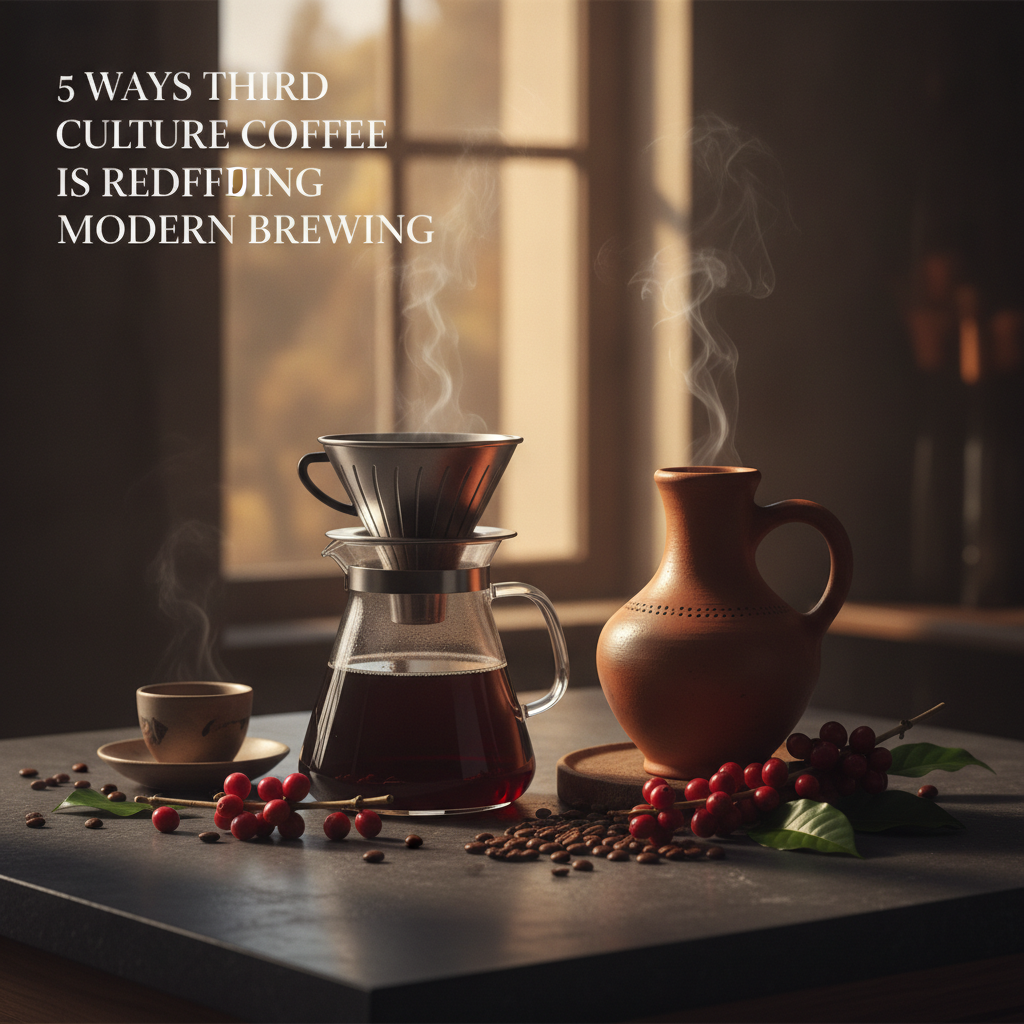
5 Bold Ways Third Culture Coffee Redefines Modern Brewing
