Over Roasted Coffee Beans: How to Spot Them, Fix Your Brew, and Never Waste Another Bag
Featured image
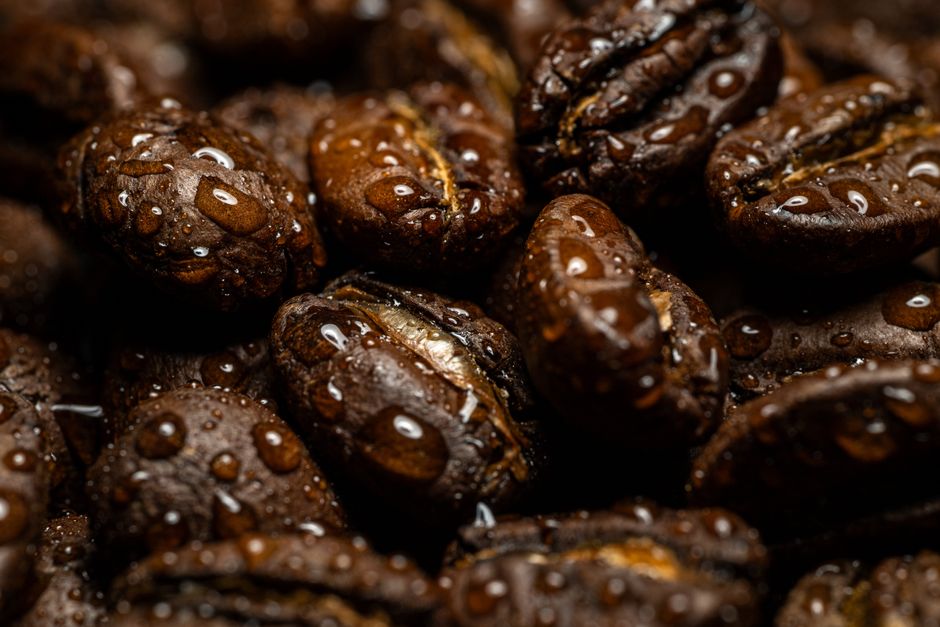
Photo by Ignacio Vazquez on Pexels
You know the moment. You open a fresh bag of coffee, expecting that rush of warm, nutty aroma, and instead you get a face full of campfire ash. You brew it anyway, hoping for the best, and the first sip lands on your tongue like a punch of bitter charcoal. No sweetness, no complexity, just a harsh, lingering finish that makes you wonder if you forgot how to brew. If this sounds familiar, you have probably encountered over roasted coffee beans. The good news is you are not alone, and you are not stuck. By the time you finish reading, you will know exactly how to identify over-roasted beans by sight, smell, and taste, understand why some roasters push beans this far, know whether it is harmful to your health, and have a full toolkit of practical ways to salvage beans you have already bought or avoid them altogether next time.
Table of Contents
- What Does "Over Roasted" Actually Mean?
- How to Identify Over Roasted Coffee Beans (Before You Brew)
- Why Do Roasters Over-Roast? (The Industry Reality)
- Is Over Roasted Coffee Bad for You?
- What to Do With Over Roasted Coffee Beans You Already Have
- How to Avoid Over Roasted Coffee Beans in the Future
- The Bottom Line: Respect the Bean
What Does "Over Roasted" Actually Mean?
To understand over-roasting, you first need a mental picture of what happens inside a coffee bean as it roasts. Green coffee beans, which start out dense and grassy-smelling, go through a series of chemical transformations when heat is applied. The first major milestone is called "first crack," a popping sound that signals the bean is expanding and releasing moisture. This is where light roasts typically stop. As roasting continues, sugars caramelize and the Maillard reaction builds complexity, carrying the bean through medium territory. Eventually, the bean approaches "second crack," a quieter, faster series of snaps that marks the breakdown of the bean's cellular walls. This is the threshold for dark roasts.
Over-roasting happens when a roaster pushes the beans well past second crack. At this stage, the internal structure collapses, oils that should remain locked inside migrate aggressively to the surface, and the bean's origin character, those delicate notes of blueberry, jasmine, or caramel that reflect where and how the coffee was grown, is completely incinerated. What remains is a one-note, ashy bitterness that tastes the same whether the bean came from Ethiopia or a warehouse blend of commodity-grade leftovers.
There is an important distinction here between a deliberate dark roast and outright over-roasting. A skilled roaster can craft a dark roast that stops precisely at the edge of second crack, producing a bold, smoky cup that still retains some sweetness and body. Over-roasting blows right through that boundary, leaving nothing but carbon and regret. In many commercial settings, this is not an accident. It is a calculated choice to mask the defects of low-quality beans and produce a uniform flavor that requires no skill to replicate batch after batch.
How to Identify Over Roasted Coffee Beans (Before You Brew)
Visual Cues: Shine, Color, and Texture
The easiest way to spot over roasted coffee beans is to look at them before you even grind. Properly roasted beans, even dark roasts, should have a rich, deep brown color, something like chestnut or mahogany. Over-roasted beans, by contrast, appear almost black, sometimes with a dusty, charred surface that looks closer to charcoal than food. The most telling visual cue, though, is oil. When roasting pushes past second crack, the bean's internal oils are forced to the surface, leaving a shiny, slick sheen. Pick up a handful of beans and rub them between your fingers. If they feel greasy or leave an oily residue on your skin, you are holding over-roasted beans. A well-executed dark roast may show a few tiny spots of oil, but it should never feel slick to the touch.
Aromatic and Taste Signals
Your nose will often warn you before your mouth does. Open the bag and inhale. If you smell burnt toast, ash, or acrid smoke with no trace of chocolate, spice, or fruit underneath, the roast has gone too far. When brewed, the taste confirms it: a sharp, biting bitterness that coats your tongue and lingers unpleasantly, followed by a hollow, empty finish where sweetness and complexity should be. Think of the difference between a square of rich dark chocolate and a mouthful of charred wood. That gap is the distance between a proper dark roast and an over-roasted one.
For espresso drinkers, there is an additional test. The crema, that golden-brown foam on top of a freshly pulled shot, tells a story. Beans roasted with care produce a thick, sweet crema that lingers. Over-roasted beans yield a thin, bitter crema that dissipates quickly, sometimes leaving an almost burnt oil slick on the surface of the shot.
The Brewing Confusion Trap
Here is where things get tricky. Bitter coffee can come from two completely different sources: over-roasted beans or over-extraction during brewing. If your water is too hot, your grind is too fine, or your brew time is too long, you can pull harsh, bitter compounds out of perfectly good beans. So how do you tell which culprit you are dealing with? Start with a visual inspection of the beans. If they are oily and nearly black, the roast is almost certainly the problem. If the beans look fine but the cup tastes bitter, adjust your brew variables first. A simple diagnostic method is to do a small French press brew with a coarser grind and slightly cooler water, around 195 degrees Fahrenheit. If the bitterness disappears, your brewing technique needed tweaking. If it persists, the beans are the issue.
Why Do Roasters Over-Roast? (The Industry Reality)
The uncomfortable truth is that over-roasting is rarely a mistake. For many large commercial roasters, it is a deliberate business strategy. Low-grade, inexpensive green coffee often carries flavor defects: baggy, woody, or earthy notes that would be obvious in a lighter roast. Blast those beans past second crack, and every defect is incinerated into the same uniform, smoky bitterness. The result is a product that tastes identical whether the raw beans came from Brazil, Vietnam, or anywhere else, which means a predictable cup across thousands of retail locations, regardless of harvest variability or supply chain shifts.
There is also a pairing logic at work. Very dark roasts hold up aggressively against milk and sugar, cutting through dairy in a way that lighter, more nuanced roasts cannot. This is why certain major chains favor this profile for their espresso-based drinks. The bitter, smoky punch does not disappear into a latte; it announces itself. For a business built on flavored lattes and Frappuccinos, that consistency is more valuable than origin character.
Small-batch roasters who invest in quality beans operate from the opposite philosophy. When you pay a premium for sustainably sourced, single-origin green coffee, you want the origin to shine. You roast with precision and restraint because destroying those flavors would mean destroying the value you paid for. This is not about selling you something; it is about the fundamental economics of craft roasting. Quality beans deserve, and receive, a quality roast.
Is Over Roasted Coffee Bad for You?
If you have a bag of over-roasted beans sitting on your counter, you might be wondering whether drinking them is actually harmful. The short answer is no, over-roasted coffee is not toxic or dangerous in the way spoiled food can be. But it does come with trade-offs worth understanding.
On the digestive front, the harsh compounds created during extreme roasting can be irritating. Many people report that over-roasted coffee triggers acid reflux, heartburn, or general stomach discomfort more readily than a properly roasted cup. Some sensitive individuals experience loose stools or a general feeling of digestive unease after drinking it. The stimulant effects can also feel more aggressive. The same harsh compounds that irritate your stomach can contribute to flushing, a racing heartbeat, or jitteriness, making the caffeine hit feel sharper and less pleasant than it would from a cleaner roast.
There is also a nutritional dimension. Coffee is naturally rich in antioxidants and beneficial compounds, but roasting gradually degrades them. Over-roasting accelerates that destruction, leaving you with a cup that has fewer of the health-supporting elements and more of the bitter, potentially irritating byproducts. It will not poison you, but it is not doing your body any favors either. If coffee is part of a daily wellness ritual, quality matters for more than just taste.
What to Do With Over Roasted Coffee Beans You Already Have
Salvage the Brew (Sort Of)
Let us be honest: you cannot fully rescue an over-roasted bean. The origin character is gone, and no brewing trick will bring it back. But you can soften the blow. Cold brewing is your best friend here. The low-temperature, long-steep method extracts fewer of the harsh, bitter compounds and can produce a surprisingly smooth concentrate, especially useful for iced coffee with milk. Another approach is blending. Mix your over-roasted beans with a lighter, brighter roast at a ratio of roughly one part dark to three parts light. The brighter beans will add some acidity and complexity, muting the ashiness enough to make the cup drinkable. When brewing hot, use slightly cooler water, a coarser grind, and a shorter steep time to minimize bitter extraction.
Repurpose Around the House and Garden
If the beans are beyond brewing, they still have plenty of life left in them. Coffee grounds, even over-roasted ones, are rich in nitrogen and make an excellent addition to compost piles or can be worked directly into garden soil for acid-loving plants like blueberries and azaleas. The strong aroma and gritty texture also act as a natural pest deterrent; scatter used grounds around garden beds to discourage ants, slugs, and snails.
Inside the house, mix spent grounds with coconut oil or a mild soap for a gentle body and kitchen scrub that exfoliates without microplastics. Dry grounds work as a non-toxic abrasive for scrubbing stubborn residue off pots and pans. You can also place dried, used grounds in a bowl in the refrigerator or freezer, where they will absorb odors just as effectively as baking soda. For the creatively inclined, coffee grounds make a beautiful natural dye for paper or fabric and can add texture and color to homemade candles and soaps. There is a whole world of repurposing possibilities, and you can find more detailed ideas for giving coffee waste a second life with a little creativity.
When to Just Let It Go
Some beans are simply beyond saving. If the roast is so dark that the beans crumble when you press them, or if the smell is indistinguishable from a cold campfire, compost them and move on. Your palate, and your stomach, will thank you.
How to Avoid Over Roasted Coffee Beans in the Future
Buy From Roasters Who Prioritize Transparency
The single most reliable quality signal on a bag of coffee is a roast date. Freshly roasted coffee has a shelf life of about three weeks, and closer to two weeks for espresso, so a roaster who prints a roast date rather than just an expiration date is signaling that they care about what happens after the beans leave the drum. Seek out small-batch roasters who name their sources and describe specific flavor profiles. If a bag says "dark roast" but tells you nothing about the origin, ask yourself what might be hiding behind that label.
Single-origin beans are a helpful starting point because they are traceable to a specific farm or region. A roaster confident enough to let a single origin speak for itself is unlikely to destroy its character with careless roasting. When you explore specialty coffee, you are stepping into a world where transparency and craft are the norm, not the exception.
Learn the Roast Level Vocabulary
Understanding the roast spectrum gives you control over what ends up in your cup. Light roasts stop at or just after first crack. Medium roasts develop more body and sweetness between cracks. Medium-dark roasts approach second crack, and dark roasts enter it with intention. Over-roasted beans blow past all of that. If you enjoy bold, smoky coffee, look for terms like "full city+" or "Vienna" roast, which indicate a dark but disciplined approach. Be cautious with labels like "French" or "Italian" roast, which often signal an intentionally ashy profile. Ask your roaster questions. A good roaster will happily discuss their roast curves and explain exactly why they stop where they do.
Consider Roasting Your Own
Home roasting removes the mystery entirely. You can start with a simple popcorn popper or an entry-level dedicated home roaster, and the learning curve is part of the joy. Listening for first and second crack teaches you more about coffee in a few sessions than years of passive drinking ever could. Once you have experienced the transformation from green bean to perfectly roasted coffee, you will never mistake over-roasting for bold flavor again. For café owners and businesses, custom roasting partnerships offer the same control at scale, working directly with a roaster to dial in a profile that serves your menu and your customers.
The Bottom Line: Respect the Bean
Over-roasted coffee is a symptom of a system that prioritizes consistency and cost over flavor and craft. But you have choices. The specialty coffee market is full of roasters who treat beans with care, small-batch, single-origin, sustainably sourced, and they are eager to share what they know. Every cup is an opportunity to taste a place, a season, and a farmer's work. Over-roasting erases all of that. Choose beans that tell a story, and brew them with the respect they deserve. Trust your palate. If a cup tastes burnt, it probably is. You do not need to be a professional taster to know when something is off. You just need to care enough to demand better.