Small Batch Coffee: The Secret to Fresh, Flavorful Brews
Small Batch Coffee: The Secret to Fresh, Flavorful Brews
Quick Summary: Small-batch roasting keeps coffee fresher and more flavorful because it allows roasters to better control heat and development, which preserves complex notes. Freshness drops quickly after roasting, so small batches can be shipped sooner, maintaining aroma and taste. They also make it easier to identify and fix roasting defects, leading to more consistent quality. Plus, small batches support sustainability by reducing waste and strengthening local communities.
If your last bag of Small Batch Coffee tasted lively one week and dull the next, your brewer was likely not the issue. Small Batch Coffee changes fast when roast size, roast date, and Fresh Coffee Beans do not line up. This guide explains how Small Batch Coffee and Artisanal Coffee Roasts hold flavor better, what freshness signs to check, and how to buy with more confidence from roasters who do this well.
Table of Contents
Why Small-Batch Roasting Tastes Better
Small-batch roasting tastes better because the roaster can react faster to each coffee’s heat needs. Research shows roast color and development time both change flavor, with longer development pushing coffee toward more bitter, roasty notes and away from acidity, fruit, and sweetness, according to this multi-study investigation . In a smaller batch, that control is easier to hold from charge to cooling.
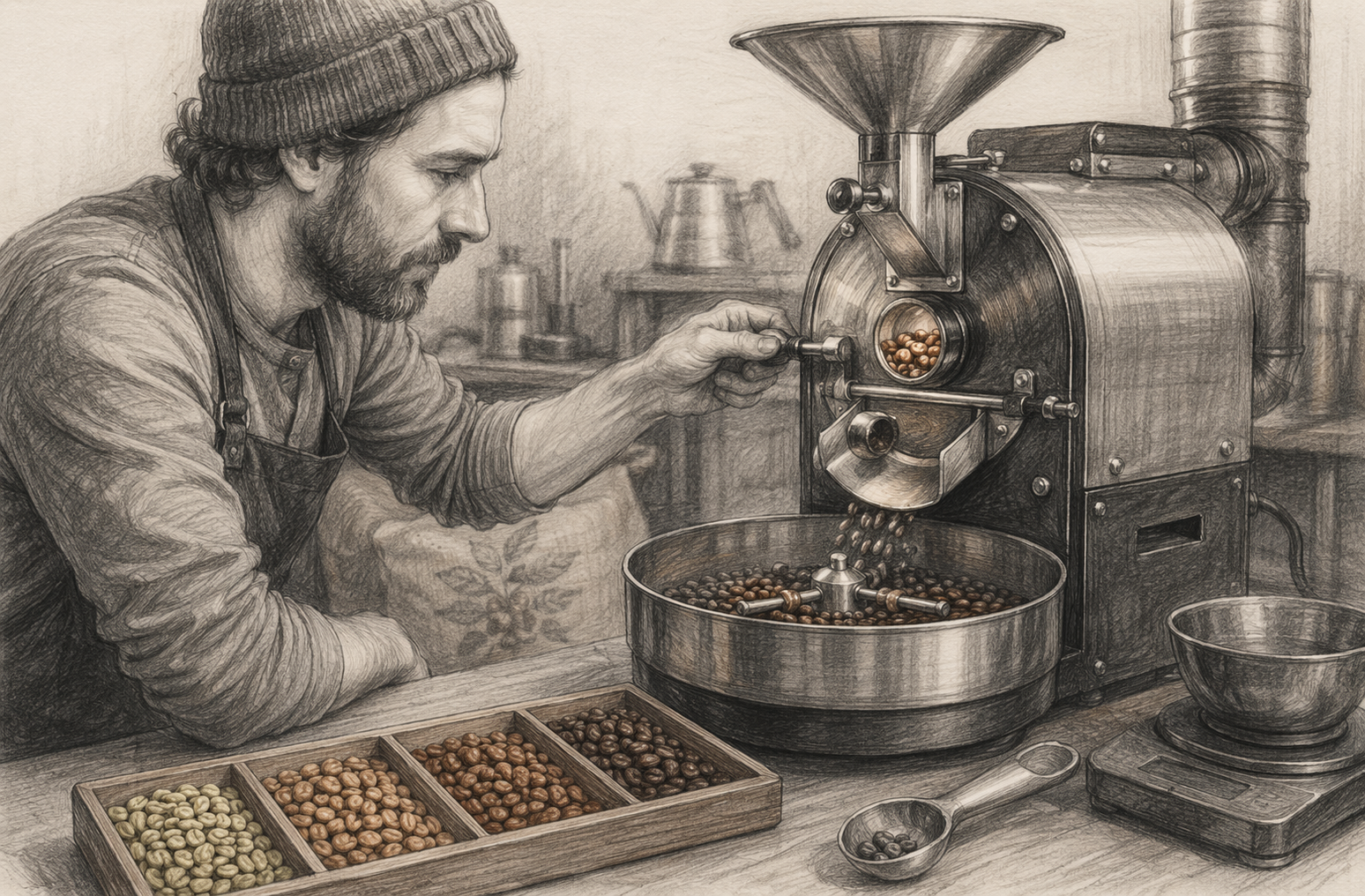
Roaster adjusting small drum roaster during bean color change
Flavor complexity also stays clearer when the roast does not run too long or too hot. Coffee aroma forms from sugars, amino acids, and other bean compounds during roasting, as shown in this coffee flavor formation study . Small batches help preserve those layered notes instead of flattening them into smoke or char.
Want the bigger picture? Read the parent guide on Small Batch Coffee: The Secret to Fresh, Flavorful Brews.
Why Freshness Improves So Much
What Happens to Coffee After Roasting
Fresh coffee tastes better because roasted beans start changing right away. They release carbon dioxide, lose aroma compounds, and slowly oxidize. The Specialty Coffee Association notes that grinding speeds up both degassing and staling, while oxygen, heat, and moisture push flavor loss faster coffee staling review .
Small-batch roasters can ship closer to roast date, so you catch more of the bean’s best flavor window.
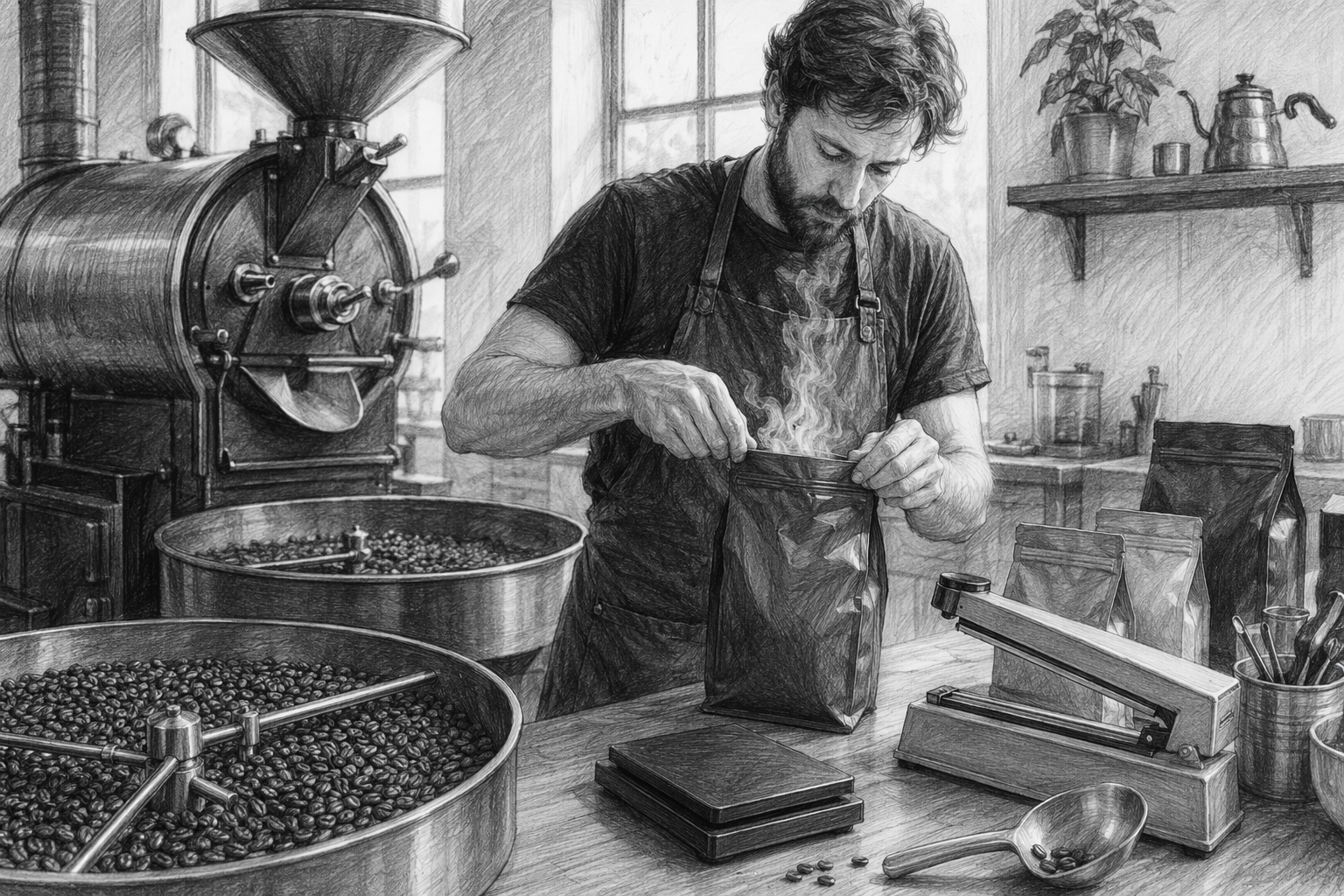
Barista opening sealed coffee bag with beans in cooling trays
The Freshness Signals to Look For
Use a quick checklist when you buy:
- Roast date, not just a best-by date
- Whole beans instead of pre-ground
- Sealed bag with valve
- Clear origin and roast info
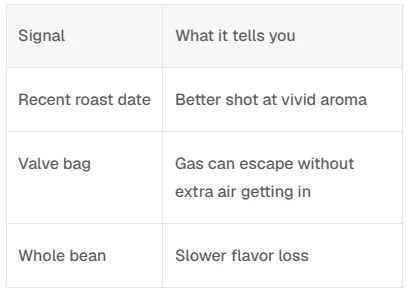
A 2023 Scientific Reports study found roasted coffee stored at 20 C aged fastest.
Why Small Batches Can Be More Consistent
Small batches are often easier to control because problems show up faster. Roasters can cup more often, compare batch notes, and catch defects before they spread across a large run. Perfect Daily Grind explains that regular cupping helps spot roast defects and adjust the next batch quickly.
Watch
Smaller runs make it easier to correct heat, airflow, and timing before inconsistency becomes expensive.
- Fewer beans mean faster feedback
- Tighter batch notes improve repeatability
- Bad batches waste less coffee
For cafes and wholesale buyers, that control matters. A steady house coffee is easier to dial in, train staff on, and serve all week. Small roasters with clear QC systems can often repeat flavor more reliably batch to batch. One 2026 study found that using standard operating procedures in a small coffee roastery reduced defects and improved production consistency after SOP use .
Why Small-Batch Coffee Supports Sustainability and Local Impact
Less Waste, Better Demand Matching
Small-batch roasting helps roasters buy, roast, and ship closer to real demand. That cuts stale inventory and wasted product. The EPA says preventing wasted food saves money, energy, land, and water across the supply chain, not just at the trash bin source reduction benefits .
Roasting less, more often is usually better for freshness and for waste control.
How Local Roasters Strengthen Communities
Local roasters keep more spending nearby through jobs, wholesale ties, and repeat business with cafés and markets. Shops like Just Roasted Coffee can also shorten delivery routes and build direct buyer trust. USDA has highlighted small coffee roasters using cleaner equipment and local energy upgrades to support both business growth and lower impact USDA case study .
Homepage
Taste the difference fresh roasting makes with Just Roasted Coffee . Shop small-batch, ethically crafted coffees now and get better flavor in every cup.
Frequently Asked Questions
Q1: What are the main benefits of small batch coffee roasting for flavor and freshness?
Small batches let roasters react fast to bean changes, control heat better, and ship coffee sooner after roast. That means clearer flavor notes, less stale stock, and a cup that tastes closer to the bean’s real origin.
Q2: How does small-batch roasting support sustainability and local communities in the US?
Small roasters often buy with more care, waste less inventory, and keep more money in local shops, staff, and nearby suppliers. Brands like Just Roasted Coffee also help build stronger regional food communities through local production and direct customer ties.
Q3: Why does small-batch coffee roasting ensure more consistent quality compared to large-scale methods?
Smaller runs make it easier to spot roast defects, adjust profiles, and keep beans from different lots separate. That tighter control lowers variation in flavor, which matters if you want repeatable espresso shots or reliable retail bag quality.
Conclusion
Small-batch coffee stands out because it protects flavor, shortens time off roast, and makes quality easier to track. That matters as specialty coffee keeps growing in the U.S. and freshness remains central to aroma and taste .