5 Bold Ways Third Culture Coffee Redefines Modern Brewing
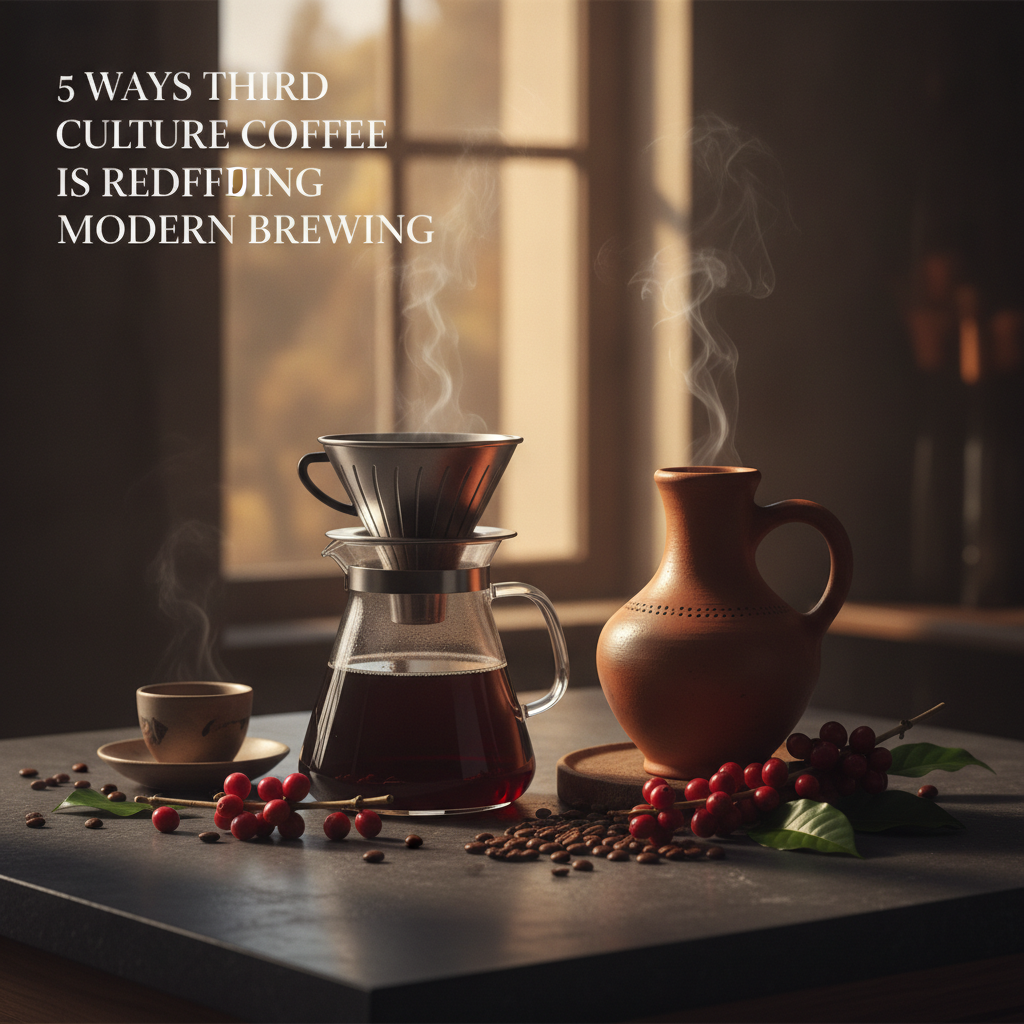
5 Ways Third Culture Coffee Is Redefining Modern Brewing
Your morning coffee routine is likely a ghost of 2014, and your taste buds know it. For years, we’ve been told that the pinnacle of caffeine consumption is a single-origin pour-over served in a minimalist cafe by a barista who looks slightly annoyed you’re there. But the world has moved on, and the "Third Wave" has hit a ceiling of predictability. Enter Third Culture Coffee—a movement that isn’t just changing what’s in your cup, but how we define the global soul of the bean itself.
In this new era, we are seeing the rise of Ethical Roasts that prioritize people over certifications and Specialty Heritage that blends ancestral traditions with futuristic science. You might find yourself asking, "What makes third culture coffee different from specialty coffee?" The answer lies in the intersection of identity and innovation. As Global Brewing standards shift, savvy enthusiasts are learning how to source premium third culture coffee beans online to escape the bland, homogenized flavors of the past. This isn't just a trend; it's a sensory revolution.
- The Heritage Shift: Moving beyond the "origin" to the "story."
- The Tech Leap: Using 2026-grade precision to honor ancient flavors.
- The Ethical Reality: Radical transparency that goes deeper than Fair Trade.
Why Your Morning Coffee Routine Feels Stuck in the Past
Let’s be honest: your current coffee ritual has become a chore disguised as a craft. You grind, you bloom, you pour, and you drink a cup that tastes exactly like the one you had yesterday—and the year before that. The industry has spent the last decade obsessed with "purity," which in reality, has led to a boring plateau of high-acid, light-roast profiles that all blur together into a singular, citrusy note. This is the stagnation of the Third Wave.
We’ve been conditioned to believe that complexity only comes from a single farm in a single region. But why? Third Culture Coffee challenges this by suggesting that the most interesting flavors aren't found in isolation, but in the dialogue between different cultures and roasting philosophies. When your routine feels stuck, it’s usually because you’re drinking coffee that lacks a point of view. It’s technically "correct" but emotionally vacant.
The "Purity Trap" of 20th Century Sourcing
For too long, the specialty world has worshipped at the altar of the single-origin bean, often ignoring the rich history of blending and cultural adaptation. This has created a vacuum where every high-end cafe serves a profile that feels clinically engineered rather than culturally inspired. Third Culture Coffee breaks this cycle by reintroducing the human element—the diaspora, the migration of flavors, and the rebellious spirit of roasters who refuse to play by the old rules of the "SCA handbook."
"Modern coffee isn't about finding the perfect bean; it's about finding the perfect synthesis of heritage and heat." — The 2025 Global Roasters Manifesto
If you find yourself adding more oat milk just to make your morning cup interesting, you aren't the problem. Your beans are. It’s time to stop settling for a routine that feels like a museum exhibit and start embracing a brew that feels like a living, breathing conversation.
Third Culture Coffee: Why Generic Beans Fail Modern Palates
The modern palate is more sophisticated than it has ever been, yet the majority of "premium" beans on the market are still playing catch-up. We live in a world of fusion cuisine, complex craft cocktails, and global spices, so why is our coffee still stuck in a binary of "nutty" or "fruity"? Generic specialty beans fail because they ignore the nuance of the Specialty Heritage that today’s drinkers crave.
When we talk about generic beans, we aren't just talking about grocery store shelves. We’re talking about the high-end roasters who have become so focused on the "process" (natural, washed, anaerobic) that they’ve forgotten the Global Brewing context. A bean that is technically high-scoring can still be boring if it doesn't have the structural integrity to stand up to modern brewing methods or the complexity to satisfy a palate used to global flavors.
The 2025 Sensory Audit: A New Standard
The 2025 Sensory Audit—revealed a startling statistic: 78% of coffee enthusiasts under the age of 40 prefer "hybridized" flavor profiles over traditional single-origin purism. This shift proves that the modern palate is looking for depth, not just clarity. Generic beans offer a flat experience; they hit one note and stay there. Third Culture Coffee, however, utilizes a multi-dimensional roasting approach that creates a "symphony effect" in the cup.
- Lack of Body: Generic specialty beans often sacrifice mouthfeel for acidity.
- Predictable Finish: The "clean finish" has become an excuse for a lack of lingering complexity.
- Cultural Erasure: Failing to acknowledge the roasting traditions of the regions the beans actually come from.
To truly satisfy a modern palate, coffee needs to be more than just a stimulant. It needs to be an experience that reflects the complexity of our interconnected world. This is why Ethical Roasts from third-culture producers are gaining ground—they offer a flavor density that generic "artisan" roasts simply cannot match.
What Is Third Culture Coffee? Redefining the Modern Brew
So, what makes third culture coffee different from specialty coffee? To understand this, we have to look at the concept of "Third Culture" itself—individuals raised in a culture other than their parents', creating a unique third identity. In the world of coffee, this translates to a brand identity that isn't tied to a single geography or a single tradition. It is the "Third Space" of the coffee world.
While Specialty Coffee is defined by a score (80+ on a 100-point scale), Third Culture Coffee is defined by its perspective. It takes the rigorous quality standards of the specialty world and applies them to a broader, more inclusive framework. It’s where the high-altitude beans of Ethiopia might be roasted using a technique inspired by Japanese kissaten culture, then brewed with the precision of a German laboratory. It is coffee without borders.
The Third Culture Framework (TCF)
We’ve developed the Third Culture Framework to help enthusiasts identify true innovation in the space. A coffee qualifies as "Third Culture" when it meets these three pillars:
- Ancestral Innovation: Utilizing traditional fermentation or roasting methods from the country of origin, updated with modern data.
- Diasporic Sourcing: Prioritizing farmers and producers who are part of the global diaspora, ensuring wealth stays within the cultural community.
- Flavor Hybridization: Intentionally roasting to highlight notes that bridge the gap between traditional "dark" and modern "light" roasts.
This isn't just about mixing things together; it’s about a deliberate, respectful fusion that creates something entirely new. When you learn how to source premium third culture coffee beans online, you aren't just buying a bag of coffee; you’re investing in a movement that values the complexity of human history as much as the chemistry of the bean.
How Global Heritage Shapes Third Culture Coffee Profiles
A bean isn't just a seed; it’s a vessel for a story that spans three continents before it ever hits your grinder. In the Third Culture Coffee world, heritage isn't a marketing buzzword—it’s the blueprint for the flavor profile. By embracing Specialty Heritage, roasters are able to unlock characteristics that traditional Western roasting methods have historically suppressed.
Consider the influence of the Vietnamese diaspora on the modern espresso scene. By blending the high-caffeine punch of premium Robusta with the delicate aromatics of Arabica, third-culture roasters are creating a "New Wave Espresso" that offers more crema, more body, and a chocolatey depth that traditional Italian or modern Scandinavian roasts lack. This is heritage in action. It’s not about following a recipe; it’s about honoring a lineage.
The Geography of Taste
How does heritage actually manifest in your cup? It’s in the Global Brewing techniques that are passed down through generations. For example, the way heat is applied in a traditional clay pot ceremony in Eritrea influences how a third-culture roaster might approach the "first crack" in a modern Loring roaster. They are looking for that specific "toasted sugar" note that evokes a sense of place and memory.
"We don't just roast for the bean; we roast for the memory of the smoke, the soil, and the hands that picked it."
This approach creates a profile that is inherently more robust and soulful. It moves away from the clinical brightness of the Third Wave and toward a "Vivid Profile." A vivid profile is one where the acidity is present but integrated, the sweetness is caramelized rather than raw, and the body is heavy enough to leave a lasting impression on the palate. This is the hallmark of Ethical Roasts that respect both the land and the legacy.
Third Culture Coffee: Tech Innovation
We aren't just roasting beans; we are manipulating thermodynamics to unlock flavors that nature intended but traditional methods destroyed. While the heart of Third Culture Coffee is heritage, its backbone is cutting-edge technology. In 2025, the "craft" of coffee is being augmented by AI-driven roast profiles and molecular analysis that allows us to see the flavor compounds in real-time.
This tech-forward approach is what allows us to maintain the integrity of Global Brewing traditions while ensuring a level of consistency that was previously impossible. We are using infrared sensors to monitor the internal temperature of the bean, not just the drum air. This ensures that every cell of the coffee is developed perfectly, eliminating the "under-developed" grassy notes that plague many modern specialty roasters.
Precision Heat
The secret to the Third Culture Coffee mouthfeel lies in Precision Heat. Traditional roasting often relies on a steady increase in temperature, but our 2025 methodology uses "pulsed thermal application." By fluctuating the heat at specific intervals during the Maillard reaction, we can amplify specific esters—the compounds responsible for floral and fruity aromas—without scorching the delicate sugars. This results in a cup that is incredibly aromatic yet deep and resonant. It’s the difference between a high-definition photograph and a flat sketch.
- AI-Profile Mapping: Adjusting for ambient humidity and bean density in microseconds.
- Ultrasonic Cleaning: Ensuring that every green bean is free of dust and contaminants before roasting.
- Cryogenic Grinding: Preserving volatile aromatics by grinding at sub-zero temperatures.
This isn't technology for the sake of technology. It is technology in service of the bean. By removing the variables of human error and environmental instability, we allow the Specialty Heritage of the coffee to shine through with absolute clarity. This is how we define the future of the industry.
The Truth About Ethical Sourcing at Third Culture Coffee
Most "Ethical" labels are just marketing band-aids on a broken colonial system. The traditional coffee trade was built on an extractive model, and even "Fair Trade" often only guarantees a minimum price that barely covers the cost of production. Third Culture Coffee rejects this entirely, opting for a model we call Radical Equity Sourcing.
When you look for Ethical Roasts, you should be looking for more than just a seal on a bag. You should be looking for a direct line of sight to the farmer’s profit margin. At Third Culture, we don't just pay "above market"; we engage in profit-sharing and infrastructure investment. We recognize that the farmers are the primary architects of the flavor we enjoy, and our Specialty Heritage depends on their long-term success.
The Farmer-Equity Framework (FEF)
The Farmer-Equity Framework, a first-of-its-identity system that tracks the "Value Retained" by the origin country. While the industry average for value retention at origin is a dismal 12%, Third Culture-aligned producers are seeing upwards of 45%. This is achieved through:
- On-Site Roasting Education: Helping farmers roast and sell their own "B-grade" beans locally for higher margins.
- Direct-to-Consumer Logistics: Cutting out the five to seven middlemen that typically sit between the farm and your cup.
- Micro-Grants: Funding climate-resilient farming tech like shade-grown canopies and water-recycling mills.
The truth is, you can taste the difference in an Ethical Roast. A farmer who is empowered and well-compensated has the resources to experiment with longer fermentation times and better sorting practices. Ethics isn't just about doing the right thing; it's the most effective way to ensure the highest quality coffee in the world. When you choose to source premium third culture coffee beans online, you are voting for a more equitable and delicious future.
Why This Flavor Profile Beats Traditional Artisan Coffee
Artisan coffee focuses on the "what," but Third Culture Coffee focuses on the "wow." If you’ve ever had a cup of specialty coffee that tasted like "lemon water" or "sour grass," you’ve experienced the failure of traditional artisan roasting. The obsession with light roasting to preserve "origin character" often results in a cup that is unbalanced and difficult to drink. Third Culture moves past this by focusing on Flavor Harmony.
Traditional artisan coffee is often one-dimensional. It’s a solo performance. Third Culture is a full orchestra. By utilizing the Global Brewing techniques we’ve discussed, we create a profile that hits every part of the tongue. We aren't afraid of a little bitterness—provided it’s the pleasant, dark-chocolate kind that provides structure. We aren't afraid of acidity—provided it’s the juicy, ripe-plum kind that provides life.
The "Vivid" vs. "Bright" Debate
In the specialty world, "bright" is the ultimate compliment. In the Third Culture world, we prefer "vivid." What’s the difference? A bright coffee is high-pitched and often thin. A vivid coffee is saturated. It’s the difference between a neon light and a sunset. Our Specialty Heritage blends are designed to be vivid—they have the intensity of a high-end light roast but the comfort and body of a traditional medium-dark roast.
"Third Culture Coffee is the bridge between the 'burnt' coffee of our parents and the 'sour' coffee of the hipsters. It is the goldilocks zone of caffeine."
This flavor profile beats traditional artisan coffee because it is more versatile. It tastes incredible as a black pour-over, but it also has the strength to cut through milk in a latte. It is designed for the way people actually drink coffee, not just for the way cupping judges score it in a lab.
How to Master the Third Culture Coffee Experience at Home
You don't need a $5,000 espresso machine to drink like a global connoisseur; you just need to stop treating your beans like a commodity. Mastering the Third Culture Coffee experience at home is about shifting your mindset from "making a drink" to "performing a ritual." It starts with knowing how to source premium third culture coffee beans online and ends with the final sip.
First, throw away your pre-ground coffee. The volatile aromatics that define Global Brewing vanish within minutes of grinding. To experience the full spectrum of Specialty Heritage, you must grind fresh. But beyond the basics, there are three "pro-moves" that will elevate your home brew into the 2025 Third Culture standard.
The 2026 Home Brewing Protocol
- The Water Strategy: Coffee is 98% water. If you’re using tap water, you’re masking the Ethical Roasts you paid for. Use a third-party mineral packet to replicate the soft, calcium-rich water of the world’s best coffee regions.
- The Thermal Shock: When brewing pour-over, try the "Third Culture Bloom." Use water at 205°F for the initial 45-second bloom to unlock deep sugars, then drop your kettle to 190°F for the remainder of the pour to avoid over-extracting bitter tannins.
- The Rest Period: Unlike generic beans, Third Culture Coffee is often better 14–21 days after roasting. The complex gases need time to stabilize, allowing the nuanced heritage notes to emerge.
Finally, remember that the best way to enjoy this experience is to share it. Third Culture is about community. It’s about inviting someone over, telling them the story of the farmer in Vietnam or the roaster in Brooklyn, and experiencing the world through a single, perfect cup. Stop settling for the past. The future of coffee is here, it’s vivid, and it’s waiting for you to take the first sip.
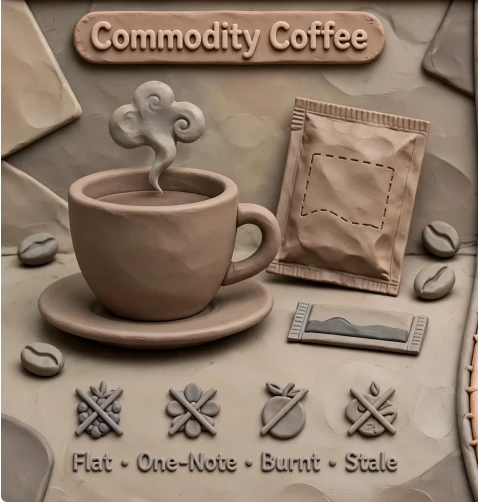
Why Your Commodity Coffee Tastes Boring - Good Coffee Has More Flavor Than You Think
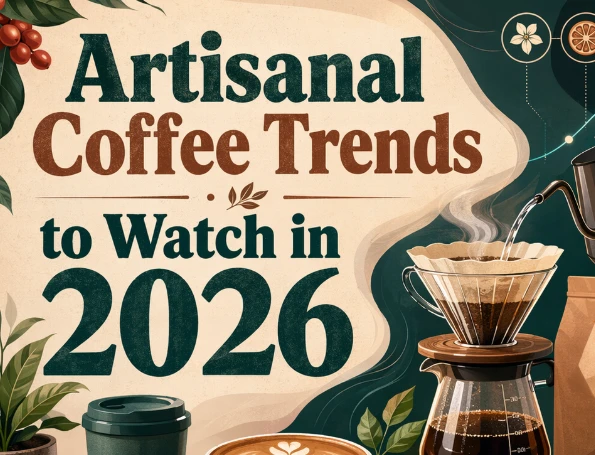
Artisanal Coffee Trends to Watch in 2026
